Beyond Grades: Preparing Children for Life

For many children, school can feel like a race.
There are tests to pass, assignments to complete, grades to improve, and positions to compete for. From an early age in Ghana, children are often taught that doing well in school is one of the clearest paths to a successful future. Parents celebrate high scores and punish low performances. Teachers encourage academic excellence. Children learn to take pride in being first in class and nothing else.
There is nothing wrong with wanting children to do well academically. Education matters. Good grades can open doors to scholarships, universities, and career opportunities. But somewhere along the way, we sometimes forget that children are preparing for more than examinations which draws the line for the missing link.
They are preparing for life. And life does not come with a marking scheme.
A child can graduate with excellent grades and still struggle to communicate, make decisions, think critically, manage money, handle disappointment, work with others, or understand who they are. Another child may not always be the top student but may have the confidence, creativity, empathy, resilience, and practical skills needed to navigate adulthood successfully.
One of the most important things children need to learn is how to communicate. The ability to express an idea clearly, listen to another person, ask questions, disagree respectfully, and speak up when something is wrong can shape almost every part of their lives.
A child who learns how to communicate effectively is better prepared for the classroom, the workplace, relationships, and society.
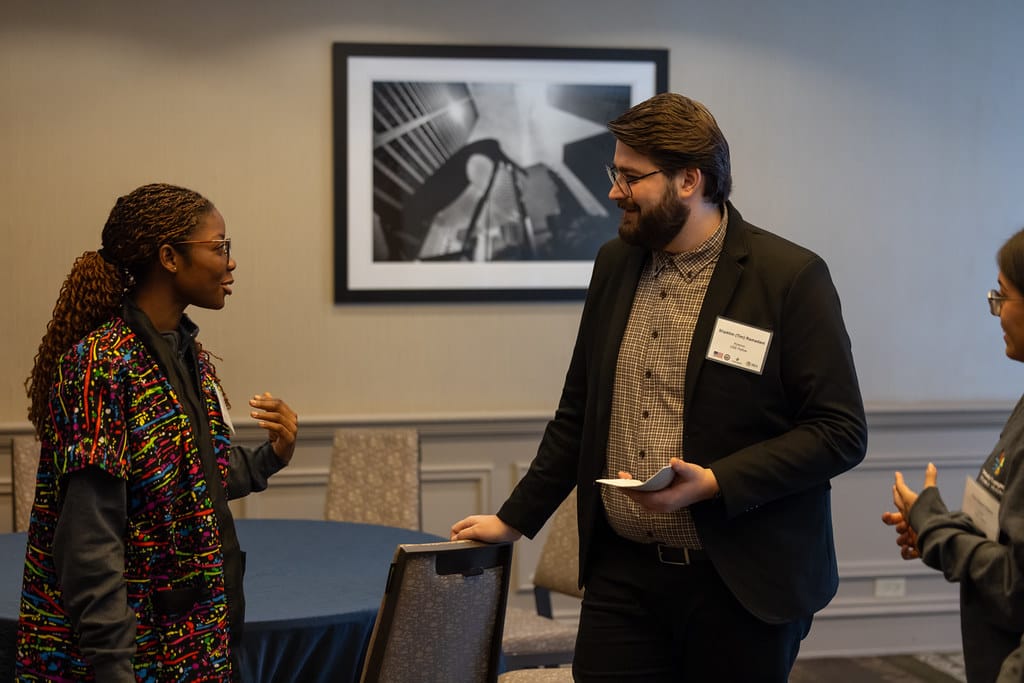
Yet communication is not always deliberately taught. We often expect children to develop it naturally. We tell them to "speak well" or "respect people," but we may not give them enough opportunities to practise expressing themselves. Children need spaces where they can ask questions without being embarrassed, share their opinions, tell stories, participate in discussions, and learn how to listen.
This can be difficult in environments where academic performance is treated as a measure of intelligence or worth. A child who consistently receives high marks may become afraid of making mistakes because they have learned to associate mistakes with failure while a child who struggles academically may begin to believe that they are worthless.
Younger adults need to be oriented to understand that failure does not define them. What matters is learning what went wrong, taking responsibility, trying again, and knowing when to change direction.
This is where resilience becomes important. Resilience is not pretending that everything is fine. It is the ability to face difficulty without giving up completely. It is learning that a bad day does not mean a bad life. Schools and families can build resilience by allowing children to take age-appropriate responsibility. For instance, allow them solve simple problems on their own.Let them experience consequences and give them the chance to try again.
Sometimes, in our desire to make life easier for children, we solve every problem before they have the chance to develop the confidence to solve problems themselves. The essence of education should be that it helps children connect what they learn in school to the world around them.
Why Education Must Go Beyond Grades

Academic achievement can tell us what a child knows, but it does not tell us how that child treats people. A successful society needs people who can cooperate, understand different perspectives, show kindness, and take responsibility for the impact of their actions.
Children learn empathy through everyday experiences. They learn it when they are encouraged to consider how another person feels. They learn it when they work with classmates who are different from them. They learn it when adults model kindness rather than simply demanding obedience.
Not every child will become a doctor, lawyer, engineer, teacher, or accountant. Some will become artists, entrepreneurs, technicians, farmers, designers, writers, caregivers, researchers, or professionals in careers that may not even exist today.
The goal of education should not simply be to produce children who can pass examinations. It should be to help raise young people who can think, communicate, adapt, care for others, make responsible decisions, solve problems, and continue learning long after they leave the classroom.
Because, the truth is that eventually, the examination ends, the certificate is collected, everything becomes a memory and the child is pushed in the world to start figuring it themselves like most of us went through. That is when life begins to punch them in the mouth and they start loosing their teeth.
How will you handle failure? How will you treat people? Can you solve problems? Can you manage your money? Can you speak for yourself? Can you work with people who disagree with you? Can you adapt when your plans change? Can you keep going when things become difficult? These are things I learned with experience, which I feel, I would have reacted better than I did, had I been exposed to these earlier, and these are the same questions children will face long after their final examination.
So yes, let us encourage younger adults to take their education seriously but it is imperative to orient them to be more than just a report card.
 Dorcas Kongwie


 Dorcas Kongwie