The Guilt of Wanting More When You Were Raised to Settle

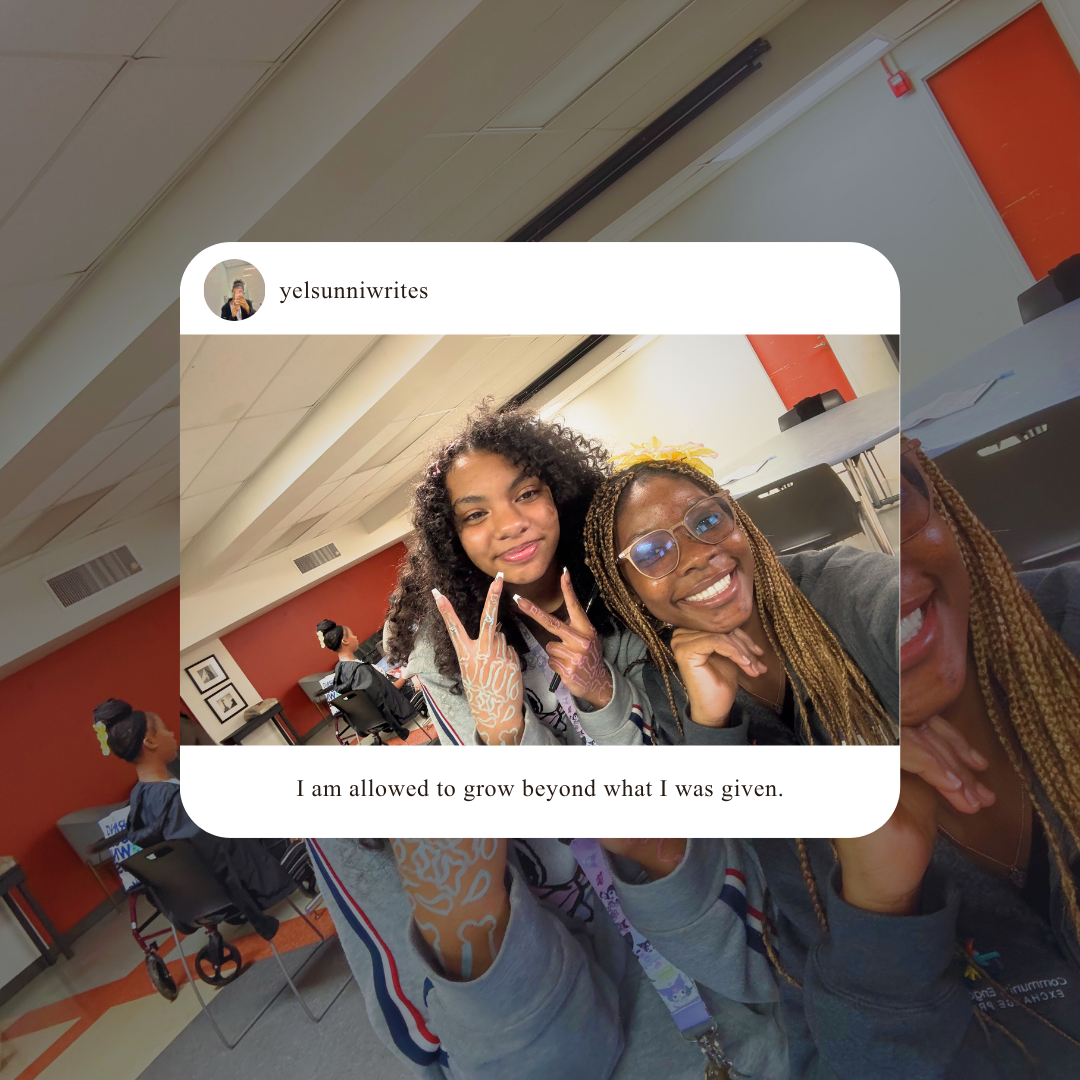
You’re not ungrateful. You’re just growing beyond what you were taught to survive.
Many people grow up learning how to survive, not how to dream freely. So when life finally opens a door of opportunity, something unexpected happens guilt. Not fear, not confusion, but guilt for wanting more than what you were taught to accept.
This feeling is quiet but powerful. It shows up when you start aiming higher than your environment expected. It appears when you begin to outgrow the life you were told was “enough.” And it often comes with questions like: Am I being ungrateful? Am I asking for too much? Who do I think I am?
What It Means to Be Raised to Settle
Being raised in a society where you are programmed to settle for what is presented to you does not always mean you were told directly to dream small. Sometimes it is more subtle than that. It is in the way people around you react when you talk about big goals and dreams. It is in the repeated phrase, “be realistic" or but you need to settle down at a point" or " what exactly do you want in life" It is in watching adults around you give up on their own dreams and call it maturity.
It is also in survival-based thinking , when the priority is not purpose, but stability. Food, shelter, safety, and basic needs come first. Dreams are seen as luxuries rather than necessities.
For many people, especially in communities where resources are limited, settling becomes a form of protection. It is safer not to aim too high. Because disappointment can feel expensive.
So you grow up learning to shrink your expectations to match your environment and to match what others grew up experiencing.
The Psychology of Settling and Survival Mindset
Psychologists often explain this through the concept of a scarcity mindset. When you grow up in scarcity, whether financial, emotional, or social , your brain learns to focus on what is immediately available instead of what is possible.
This affects how you dream, plan, and even make decisions. Instead of asking, “What do I truly want?” you start asking, “What is possible for someone like me?”
This mindset can keep people safe in the short term. But in the long term, it can limit growth, ambition, and self-belief.
Even when opportunities come, the mind still remembers scarcity. So when you start wanting more, a better career, education, lifestyle, or even peace, your internal system may respond with guilt.
Why Wanting More Feels Like Betrayal
One of the most confusing emotions for people in this stage of growth is guilt. You may feel like wanting more means you are rejecting your background, or your past.
You may think:
- People worked hard for me to get here, who am I to want more?
- At least I am better off than others.
- Maybe I should just be grateful and stop pushing.
This is emotional conditioning. When you are raised in environments where survival is the priority, gratitude is sometimes confused with limitation. But gratitude and ambition are not enemies. You can appreciate your journey and still desire expansion.
The Internet vs Reality of “Soft Life”
The internet has popularized the idea of “soft life” a life of ease, luxury, and peace. But for many people, soft life is not an aesthetic; it is a healing process. When you come from survival, softness does not feel natural at first. Rest can feel uncomfortable. Success can feel undeserved. And wanting more can feel like greed.
But in reality, soft life is not about excess. It is about safety. Emotional safety. Financial stability. Mental peace. So when you start wanting a softer life, you are not being unrealistic. You are responding to a deeper need for balance after years of pressure.
Signs You Were Raised to Settle
You may recognize this experience if you:
- Feel guilty when you invest in yourself
- Downplay your achievements
- Struggle to believe you deserve better opportunities
- Fear outgrowing your environment
These are not personality flaws. They are learned responses.
Breaking the Cycle of Limitation
Growth begins when you start questioning the beliefs you inherited. Not everything you were taught was meant to define your future, actually. Breaking the cycle of settling does not mean rejecting your past. It means expanding beyond it.
It means:
- Allowing yourself to want more without guilt
- Accepting discomfort as part of growth
- Surrounding yourself with environments that reflect possibility
- Giving yourself permission to change
This process is not instant. It takes time for the mind to adjust to abundance after scarcity.
The Emotional Weight of Outgrowing Your Environment
One of the hardest parts of growth is not the external success , it is the internal shift. Sometimes you feel disconnected from people who are still in survival mode. You feel misunderstood when you talk about your goals. You may even feel lonely in your ambition.
This is because growth changes your lens. You start seeing possibilities where others still see limits. And that difference can create emotional distance. This is something I learned in the past few months since January.
Learning That Wanting More Is Not Greed
At some point, you have to unlearn the idea that desire equals selfishness.
Wanting:
- better opportunities,
- emotional peace,
- financial stability,
- education,
- success,
- freedom,
…is not greed.
The problem is not that you want more. The problem is that you were taught to believe that more is not for you.
You Are Allowed to Outgrow Survival
Being in this situation is not something to feel guilty about. It is a sign of awareness, and growth. You are not abandoning your past. You are expanding your future. And even if it feels uncomfortable at first, you are allowed to choose more, more peace, more opportunity, more joy, and more life than what you were taught to expect. Because survival was never meant to be the destination.
It was only the beginning.