Life Skills Every Child Should Learn Before Leaving School
Discover six essential life skills every child needs before leaving school, from financial literacy and communication to digital safety and problem-solving.

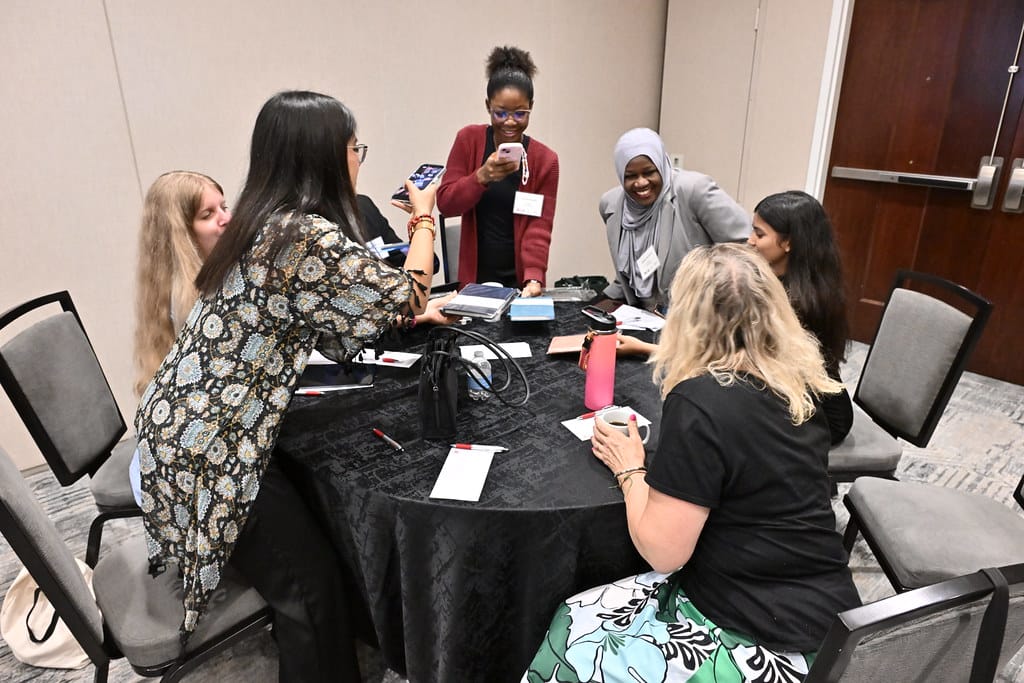
A child can earn good grades, answer questions correctly in class and pass examinations, yet still struggle when faced with decisions that have no textbook answers; we see this every day and may have experienced it ourselves while growing up. They may not know how to manage a small amount of money, express themselves confidently, handle failure, recognise an online scam or resolve a disagreement without making it worse.
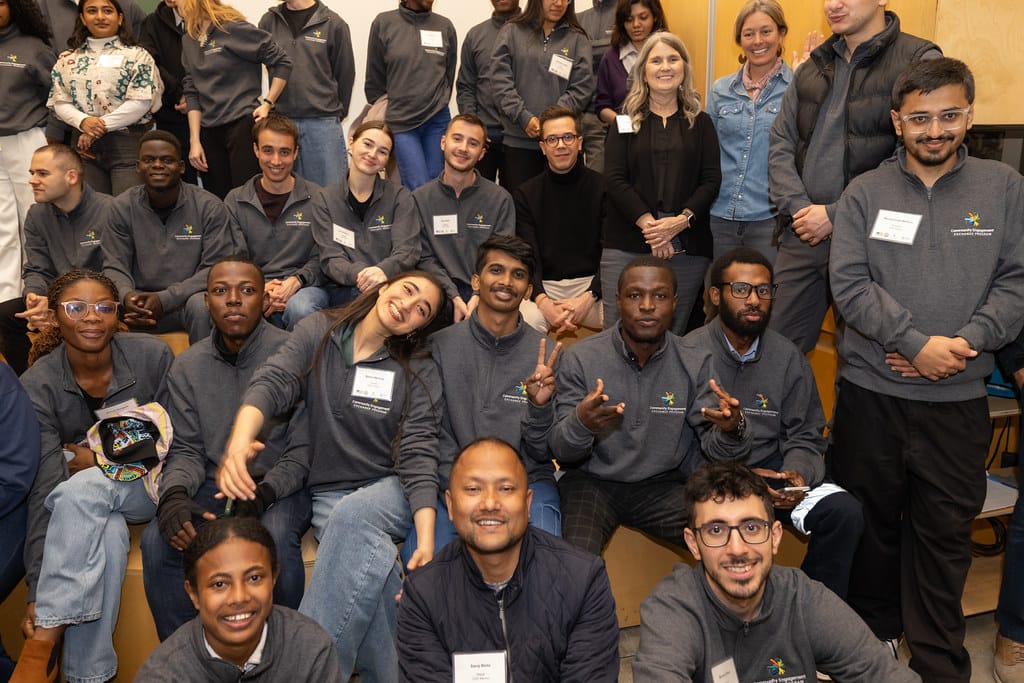
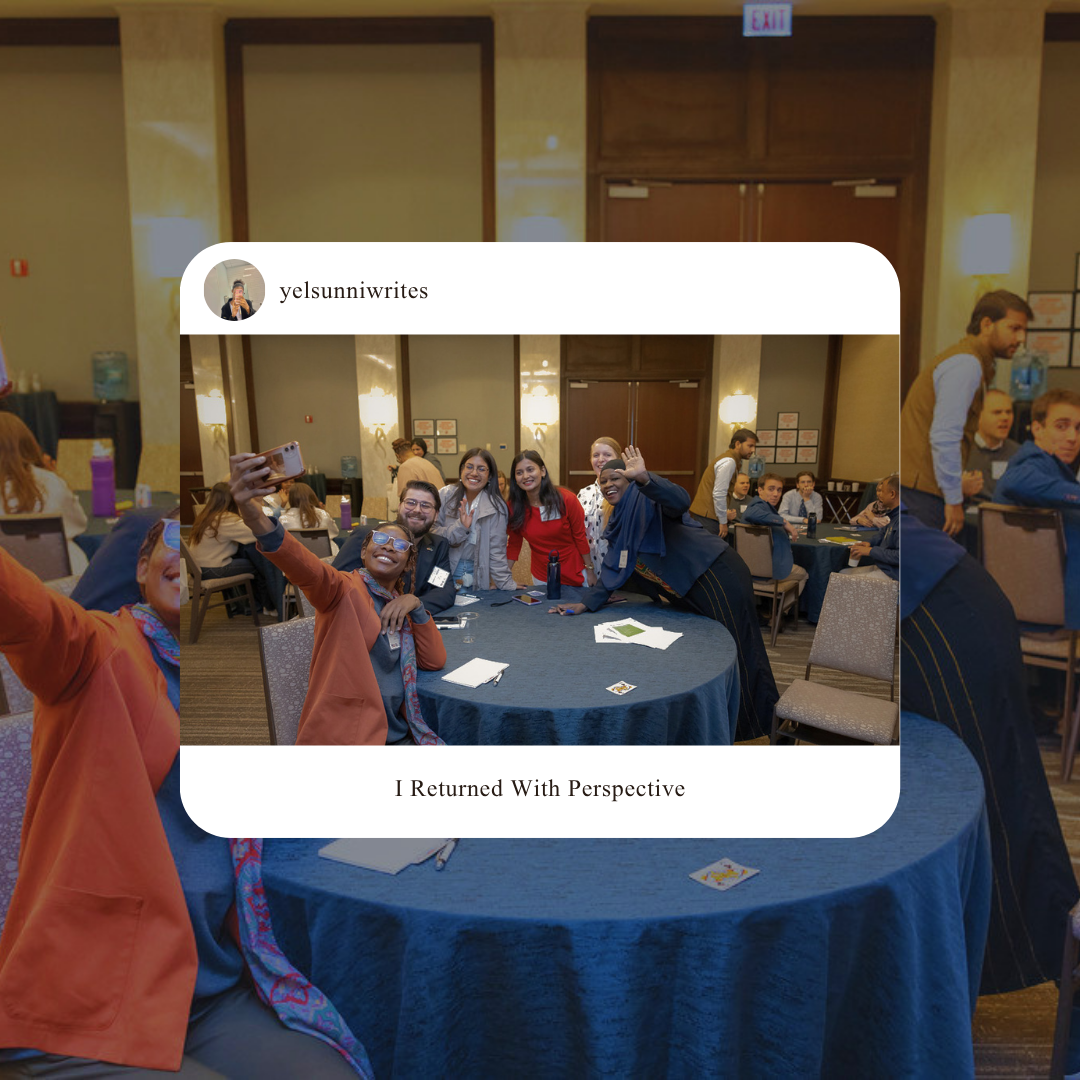
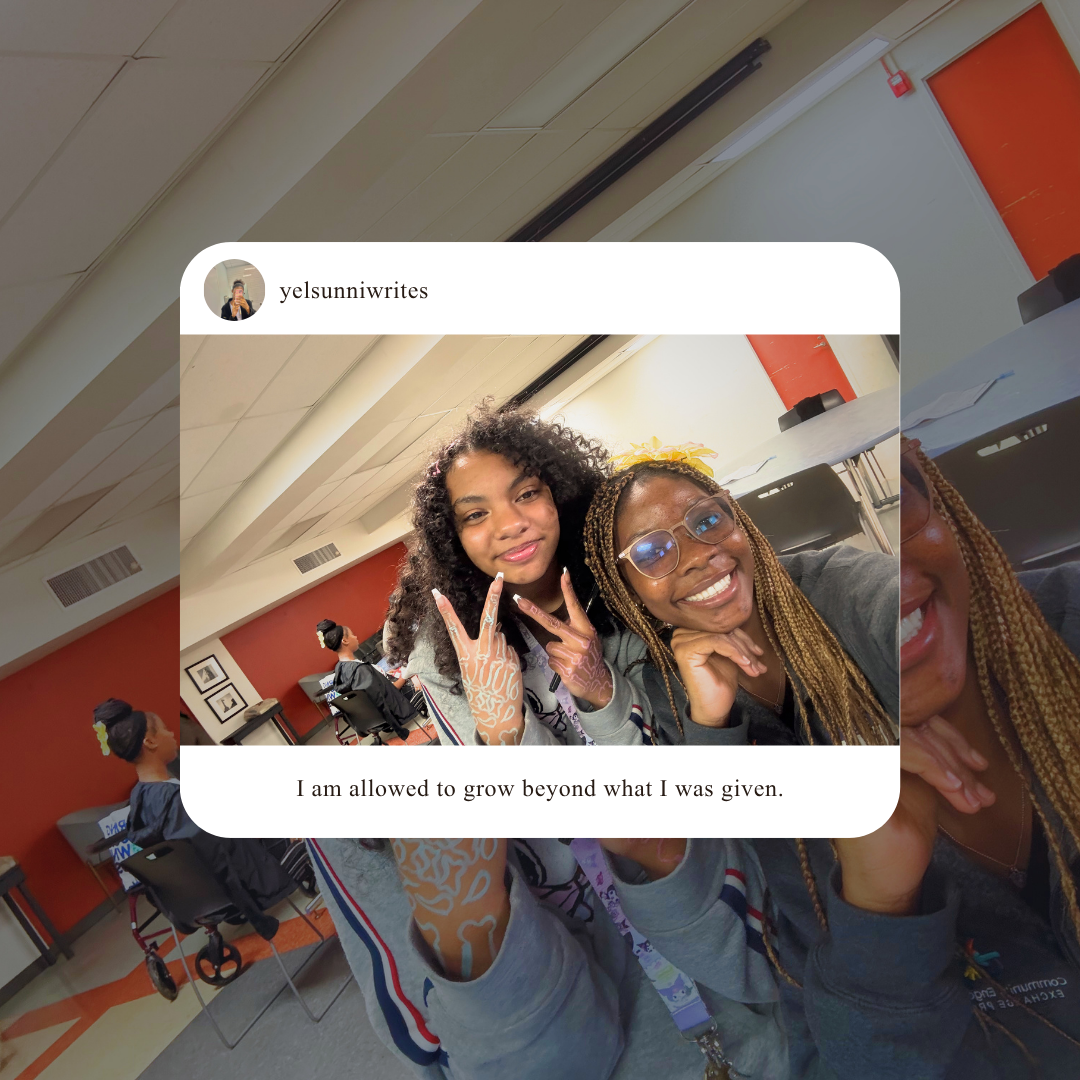
Over the past months, I have become more interested in this gap between what children learn in school and what they need to navigate everyday life. My recent experience working on The Amazing Shake pilot project in Ghana, in collaboration with my Kenyan mentor, strengthened my interest in how we prepare young people to communicate and carry themselves in different situations. The project was an opportunity to explore how practical experiences can complement classroom learning and help young people develop skills they will need beyond school, and those few days with the children exposed a lot.
That experience has stayed with me. Children can always learn. Sometimes, they lack the resources, opportunities and practical experiences that allow them to develop their abilities.
This is why I believe life skills deserve greater attention from parents, teachers and government.

Why life skills should be part of every child's education
Research supports the importance of developing these skills alongside academic learning. UNESCO's guidance on social and emotional learning identifies its potential to support academic achievement, mental well-being and positive relationships. Research on early learning in Ghana also recognises social and emotional development as an important part of children's overall development.
Ghana's National Council for Curriculum and Assessment has similarly emphasised moving beyond an education system concerned only with examination results towards developing character and nurturing confident, engaged citizens. This is an important direction, but the real test is whether children receive regular opportunities to practise these competencies.
The question, therefore, is not whether children should learn mathematics, English, science and other academic subjects. They should. The question is whether we can give equal attention to the skills that help them use their knowledge in everyday situations.
Here are six life skills every child should begin developing before leaving school.
1. Financial literacy: Teach children how to manage money
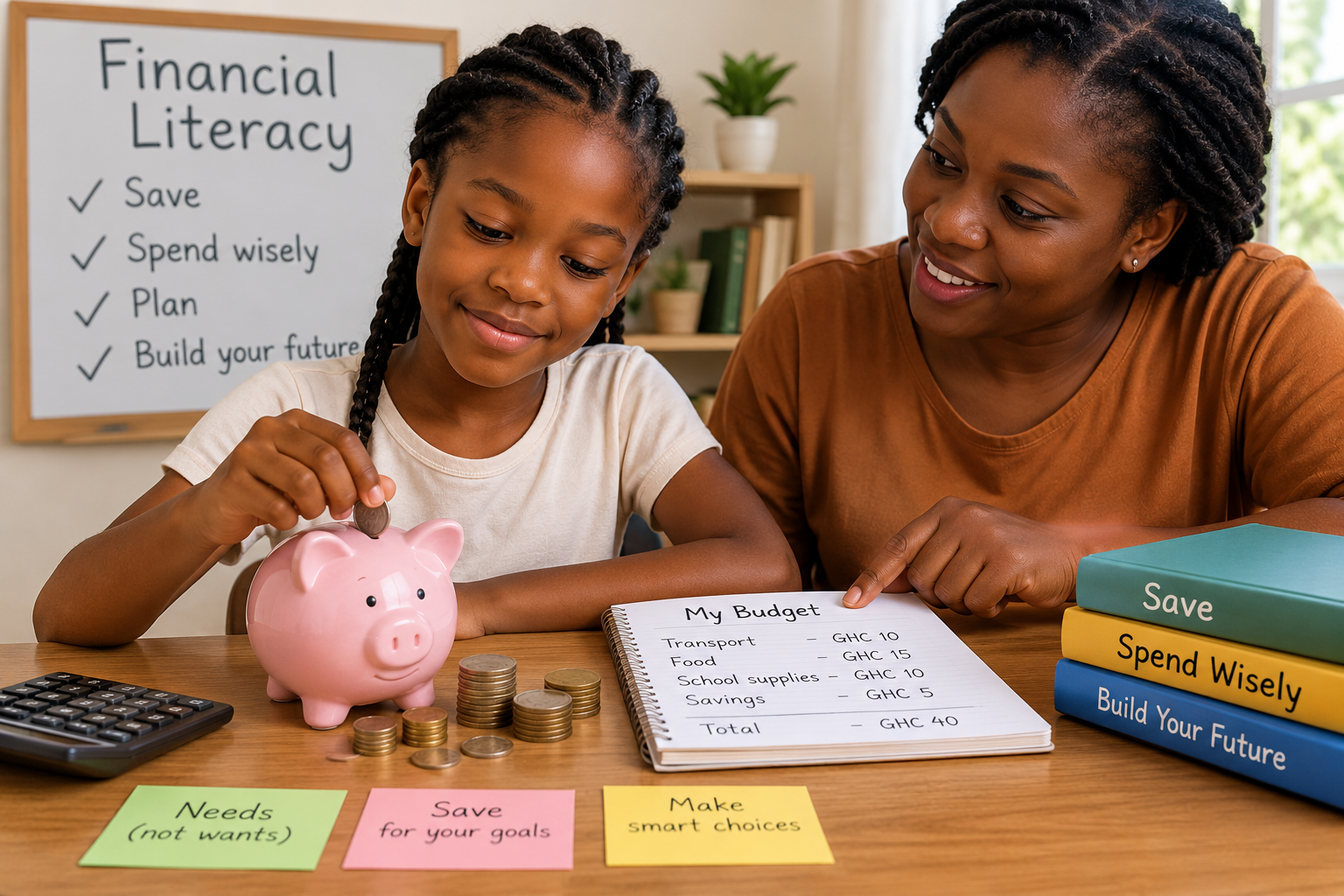
Children encounter money long before they start earning an income. They see their parents pay for food, ask for pocket money, buy snacks, save for personal items, and sometimes watch adults struggle to meet expenses. Yet being exposed to money does not automatically mean understanding how to manage it.
Financial literacy helps children understand the value of money, distinguish between needs and wants, plan their spending and recognise financial risks. Older students should also learn the basics of budgeting, borrowing, interest, digital payments, and financial scams.
One thing I observed while doing my practicum with Neighborhood Centres Association in Cleveland was that the children who were undergoing a program known as Breadwinner were taught financial literacy. They actually had money and had bank accounts where they kept it.
The aim is not to make children anxious about money or responsible for their family's financial difficulties. It is to help them develop healthy habits before they begin making larger financial decisions independently. A lot of adults, including me, grew up with little to no knowledge about managing our finances, which is affecting us negatively.
Research by the Organisation for Economic Co-operation and Development (OECD, 2024) found that many 15-year-olds struggle to apply financial knowledge to real-life situations. Its analysis also linked better financial literacy performance with conversations about money at home and opportunities for young people to make spending decisions.
These findings offer a useful lesson for Ghanaian families and schools: financial education should involve more than memorising definitions. Children need opportunities to practise making choices and understanding their consequences.
2. Communication: Help children express themselves with confidence
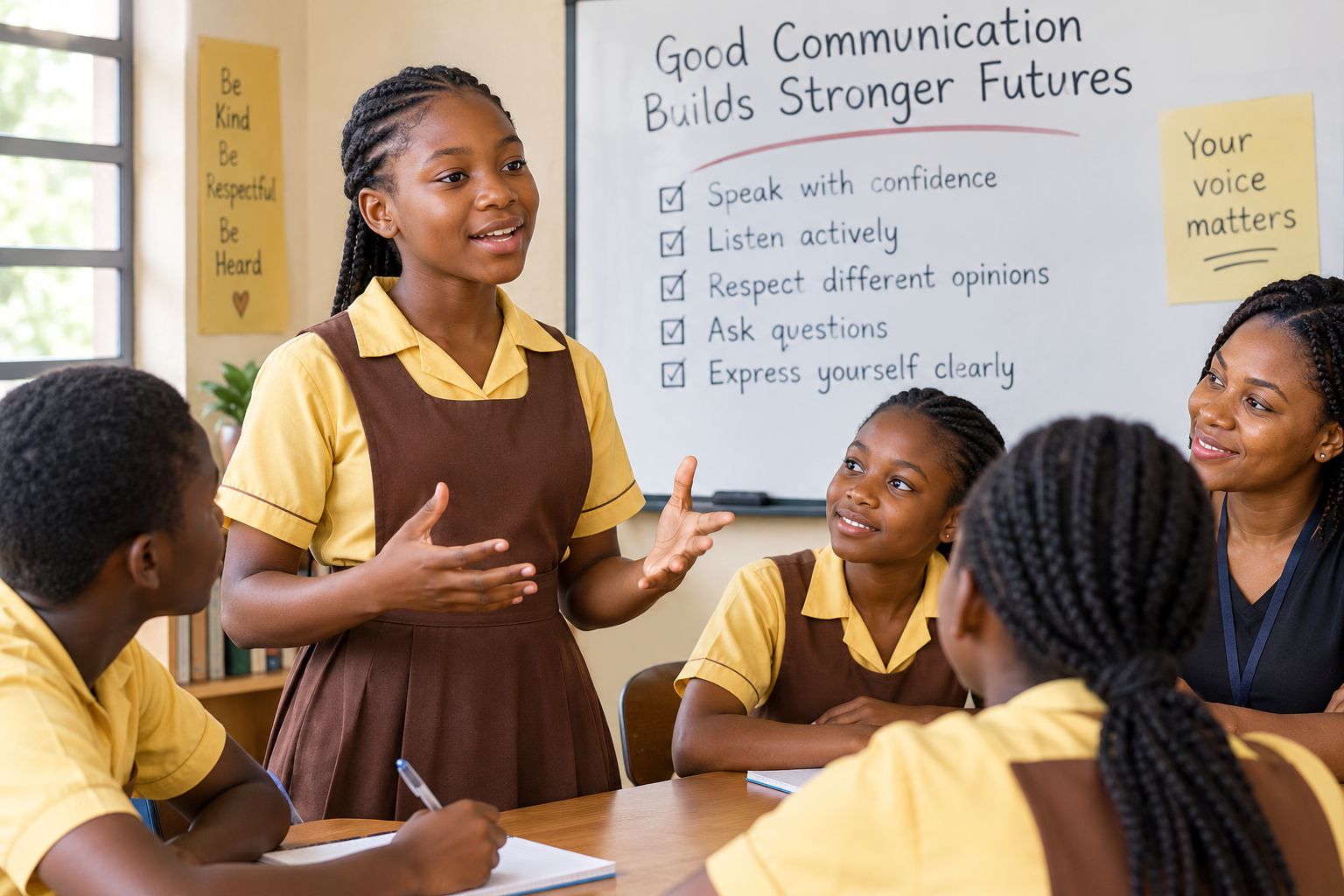
Communication is not simply the ability to speak English fluently or give a speech in front of an audience. It includes listening carefully, asking questions, explaining ideas, expressing disagreement respectfully and knowing how to communicate with different people.
A child may understand a lesson but struggle to ask the teacher for clarification. Another may have a useful idea during group work but remain silent because they fear being laughed at. Some children may respond to conflict by shouting, withdrawing or using hurtful words because they have not learnt other ways to express themselves.
At home, parents can give children opportunities to explain their opinions, participate in age-appropriate family discussions and ask questions without being made to feel foolish. Listening to a child does not mean agreeing with every opinion. It means creating an environment where the child can learn to express an idea, hear another perspective and respond thoughtfully.
My experience with The Amazing Shake reinforced my interest in practical opportunities that allow young people to develop communication and interpersonal skills. Children do not necessarily acquire confidence by sitting through a lesson about confidence. They need situations where they can try, make mistakes, receive feedback, and try again.
Every child may not grow up to become a public speaker, but every child will need to communicate with someone: a colleague, a customer, a teacher, an employer, a neighbour or a family member. Schools should help them prepare for those encounters.
3. Decision-making: Teach children to think before they act

Children make decisions every day, even when adults make most of the major choices for them. They decide how to spend their time, whom to trust, whether to join their friends in an activity, and how to respond when someone pressures them to do something they know is wrong.
As they grow older, these decisions can have more serious consequences.
Decision-making involves identifying a problem, considering available options, thinking about possible outcomes, and choosing a reasonable course of action. It also involves recognising when to seek advice rather than attempting to handle everything alone.
Children in a lot of Ghanaian setting are taught to be passive receivers of information. They are not oriented to understand what is being given to them and make decisions based on the information. At home, parents do not give children the chance to even involve them in any family discussions that have to do with the ward. An environment where children are given the space to have options to make decisions and solve their problems helps them understand that decisions involve consequences and that doing what is popular is not always the same as doing what is right.
4. Digital safety: Teach children to use technology wisely

One thing that is inevitably true is that children are growing up in a world where information, communication, entertainment and opportunities increasingly exist ONLINE. But access to a phone or the internet does not automatically make a child digitally competent.
It is imperative therefore that digital safety goes beyond telling children not to spend too much time on their phones. They need to know how to use technology productively and recognise situations that require caution. It all comes down to children having at least some education on digital literacy at school. We have parents who have zero knowledge about this, just as their children; this is where teachers come in. A safe environment should also be created for children to be able to report uncomfortable situations without being punished.
My experience at Kalpohin SDA JHS continues to shape how I think about digital learning where learners had no access to any IT tools for learning.
This is an important distinction for education stakeholders. Digital inclusion requires more than distributing devices or providing internet access. Children also need guided practice, appropriate learning resources and adults who can help them navigate digital spaces safely.
UNICEF's research on childhood in a digital world highlights the importance of giving children opportunities to develop digital skills while ensuring that their use of technology is safe and age-appropriate. Government, schools and families all have a role to play in making that possible.
5. Emotional regulation: Helping children understand their feelings

One thing adults often forget is that children have problems too. Because they are young, we sometimes assume they have little to worry about. We tell them to stop crying, ask them why they are angry over something so small, or expect them to move on quickly when something upsets them. In our Ghanaian homes and schools, children may even be told that they are too young to experience stress or that they should not question adults. Sometimes, we mistake a child's silence for happiness when they may simply have learnt that expressing their feelings will not be taken seriously.
Yet children experience frustration, fear, disappointment, jealousy, excitement and anger, just as adults do. They may worry about their parents' disagreements at home, struggle to fit in with their classmates, feel embarrassed when they cannot answer a question in class or become anxious when they are constantly compared with other children. Some carry the pressure of meeting expectations at home and school without knowing how to explain what they are going through.
These experiences are part of growing up, but children need guidance to understand and manage them. Emotional regulation is not about teaching children to hide their feelings or remain quiet whenever they are upset. It is about helping them recognise what they feel, understand why they feel that way and choose healthy ways to respond.
Consider a child who performs poorly in an examination after studying hard. An adult might dismiss the disappointment by saying, "It is just an exam. Stop worrying." But to that child, the result may feel like a personal failure, especially in an environment where academic performance determines whether a child is praised, punished or compared with siblings and classmates. Instead of dismissing the feeling, parents and teachers can help the child process the disappointment, identify what went wrong and think about what to do differently next time.
UNESCO's work on social and emotional learning highlights the importance of developing competencies that support learners' well-being, relationships and academic experiences. These skills matter not only in school but also in homes and communities, where children must learn to relate to others, manage conflict and make thoughtful decisions.
This becomes particularly important during adolescence, when young people navigate peer pressure, changing friendships, questions about identity and increasing expectations from adults. They need to know that experiencing difficult emotions does not make them weak and that asking for help is not a sign of failure.
If we want children to grow into adults who can manage conflict, build healthy relationships and respond thoughtfully to life's challenges, we must take their feelings seriously while they are still young.
6. Problem-solving: Teach children to find solutions, not only answers

School often prepares children to find the correct answers in examinations, but life does not always offer a clear answer. Children will face situations that require them to think independently, adapt to change, work with others and make decisions without knowing exactly how things will turn out.
Yet problem-solving does not always receive the attention it deserves in our education system. In Ghana, where academic performance often determines how a child's abilities are judged, there is a risk of placing greater value on memorisation and examination results than on the ability to apply knowledge to everyday challenges.
Beyond the classroom, children will need to navigate disagreements, manage limited resources, respond to unexpected situations and learn from failure. These experiences require more than the ability to recall information from a textbook.
The question is whether our current approach to education is adequately preparing children to face problems that have no textbook answers. Preparing children for life requires us to look beyond what they know and consider how they think, respond and find their way through challenges.
What parents, schools and government can do
Life skills cannot be developed through a single workshop, a motivational speech or one special project. Children need regular opportunities to use these skills in different settings, with guidance from adults who understand their importance.
Parents, schools and government have different responsibilities, but their efforts should reinforce one another.
The measure of a child's education should include not only what they know, but also how well they can use that knowledge to navigate life. Preparing children for that responsibility is not the work of schools alone. It is a shared responsibility that begins long before graduation.
References and further reading
Organisation for Economic Co-operation and Development. (2024, June 27). Shaping students' financial literacy: The role of parents and socio-economic backgrounds. https://doi.org/10.1787/c3f3dc74-en
UNESCO. (2024, October 15). Mainstreaming social and emotional learning in education systems: Policy guide. https://www.unesco.org/en/articles/mainstreaming-social-and-emotional-learning-education-systems-policy-guide
UNICEF. (2025). Childhood in a digital world. UNICEF Office of Strategy and Evidence, Innocenti. https://www.unicef.org/innocenti/reports/childhood-digital-world
National Council for Curriculum and Assessment. (n.d.). National curriculum and core competencies. https://nacca.gov.gh/