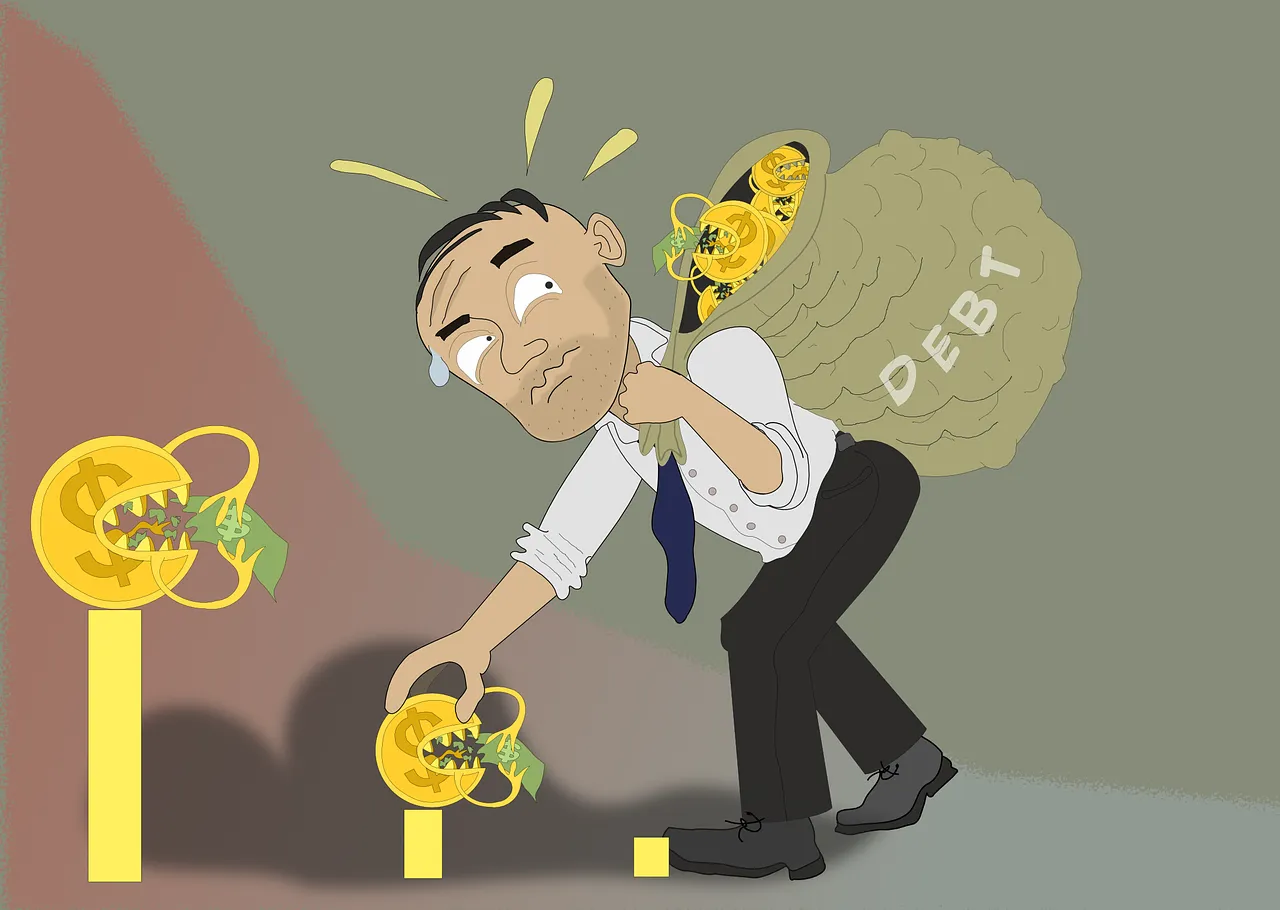
What Emotional Burnout Actually Feels Like


It’s the time when everything looks fine, and it’s also the time when you’re barely holding it together. On the outside, you look fine, chill, things are moving. You’re working, replying, showing up. Life hasn’t stopped. But inside, you are shredding apart, something feels stalled. You’re doing all the right things, yet nothing feels settled.
You have days where you manage, and days where even simple tasks feel like too much. You’re capable, but tired. Grateful, but worn down. Present, but distant. Two versions of you living at the same time. That split is often where emotional burnout begins.
The Kind of Tired Sleep Can’t Fix
At first, it feels like tiredness. Not the kind sleep fixes, but the kind that stays even after rest. You go to bed early, you sleep long hours, and still wake up feeling drained. Your body might be still, but your mind never really rests. It’s already tired before the day begins.
Emotions on Low Volume

Your emotions begin to change in quiet ways. You don’t feel deeply sad, but you don’t feel happy either. Everything feels muted. Good news doesn’t lift you the way it used to. Bad news doesn’t shock you either. You’re not calm—you’re numb. It’s like your feelings are on low volume.
You may notice that you get irritated more easily. Small issues upset you more than before. You snap at people you care about and then feel bad about it later. You replay conversations in your head, wondering why you reacted that way. This self-blame adds another layer of exhaustion.
Social Interaction Feels Like Work
Social interaction starts to feel like work. You don’t avoid people because you dislike them. You avoid them because talking takes energy you don’t have. Explaining how you feel feels too complicated. Pretending you’re fine feels easier than opening up. So you pull away, quietly.
Doubting Yourself
Burnout also affects how you see yourself. You begin to question your abilities. Tasks you once handled with confidence now make you doubt yourself. You feel slower, less sharp, less capable. You compare who you are now to who you used to be, and the gap feels painful.
There’s often guilt attached to this feeling. You tell yourself you shouldn’t feel this way. You remind yourself that others have bigger problems. You list the things you should be grateful for. Instead of helping, this only makes you quieter. You learn to dismiss your own exhaustion.
How Burnout Builds
Emotional burnout doesn’t come from one bad week or one stressful event. It builds from being strong for too long. From pushing through when you’re tired. From ignoring your limits because life doesn’t slow down. From carrying responsibilities without enough space to breathe.
One confusing part of burnout is that rest alone doesn’t fix it. You take a day off, but your mind stays busy. You sit still, but feel uneasy. You feel guilty for resting and anxious about everything waiting for you. Even quiet moments feel tense.
Moving Through Life on Autopilot
Burnout makes it hard to be present. You go through the day on autopilot. You finish tasks without remembering how you did them. Time passes, but it feels blurred. You’re there, but not fully there.
You may also feel disconnected from meaning. Work feels pointless. Goals feel distant. You wonder why you’re doing what you’re doing, but don’t have the energy to change anything. You keep going because stopping feels scarier than continuing.
Burnout Is Not Laziness
People often mistake emotional burnout for laziness or lack of discipline. But burnout is not about refusing to try. It’s about having nothing left to give. It’s what happens when effort continues without relief.
Another sign is how your inner voice changes. It becomes harsh. You criticize yourself more. You focus on what you’re not doing well. Encouragement feels fake. Kindness toward yourself feels undeserved. You push yourself harder, thinking that’s the solution.
Losing Connection With Yourself
Over time, this creates distance between you and yourself. You stop checking in with how you feel. You stop asking what you need. You focus only on what’s required of you. Your own needs begin to feel inconvenient.
Burnout can also make you feel lonely, even when you’re not alone. You feel unseen, not because people don’t care, but because you don’t know how to explain what’s happening inside you. Words feel inadequate. Silence feels safer.
Naming Burnout
Naming burnout can be uncomfortable. It forces you to admit that something isn’t working. That you can’t keep going the same way. But naming it also brings clarity. It shifts the focus from blaming yourself to understanding what you’ve been carrying.
Emotional burnout is not a personal failure. It’s a response. It’s what happens when your inner world has been under pressure for too long without care. It’s a sign that something needs attention, not judgment.
Recovery Starts With Noticing

Recovery doesn’t start with fixing everything at once. It starts with noticing. With being honest about how you feel. With allowing yourself to admit that you’re tired, even if you can’t explain why.
You don’t need to hit a breaking point for your exhaustion to matter. You don’t need permission to slow down. Listening to yourself is not selfish. It’s necessary.
Emotional Burnout Asks You to Pause
Emotional burnout asks you to pause, not to quit. To reflect, not to give up. To reconnect with yourself in small ways. Even acknowledging it is a step toward feeling like yourself again.
If you recognize yourself in this, you’re not alone. Many people are walking around carrying invisible weight. Burnout doesn’t mean you’re weak. It means you’ve been strong for a long time. And strength, when stretched too far, needs rest—not silence.
 Dorcas Kongwie
 Dorcas Kongwie