Money Anxiety and Decision Fatigue


Money anxiety rarely arrives as a single dramatic moment in our lives. It settles slowly. It embeds itself into daily life, into the small decisions that most people do not think twice about. What to eat. What to delay. What to ignore. What to hope will somehow resolve itself without attention.
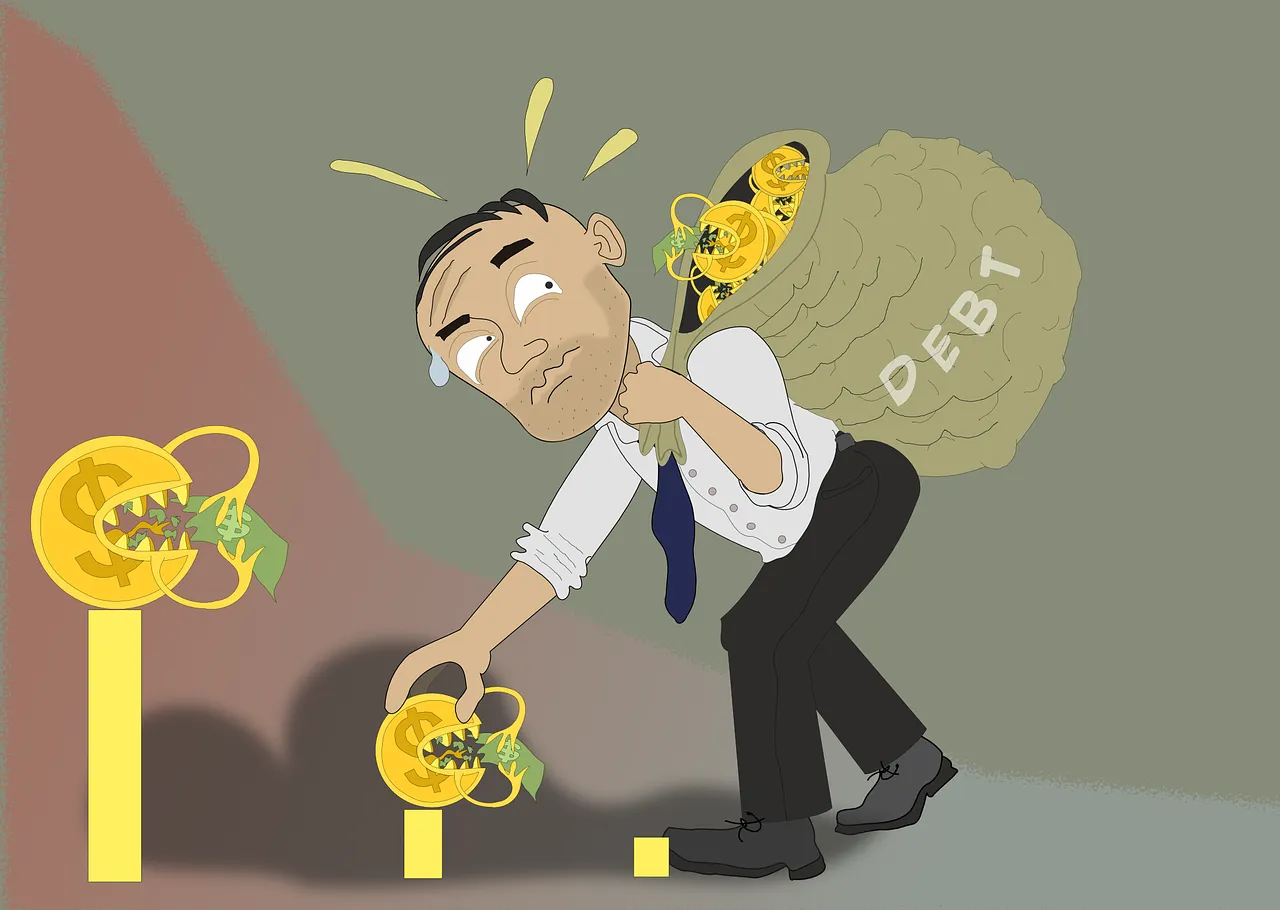
Over time, these small decisions begin to feel unusually heavy. Not because the person making them lacks discipline or intelligence, but because every choice has started to carry consequences that feel disproportionate. When money feels unstable, nothing is neutral. Every decision feels like a risk assessment.
Understanding money anxiety beyond numbers
Money anxiety is often misunderstood as simple worry about finances. In reality, it is a mental and emotional state where you are overly vigilant. The brain remains alert, constantly scanning for potential threats. Bills, prices, emergencies, expectations, even social interactions become signals that demand calculation.
In this state, you as a person, or your mind does not rest. It anticipates problems before they arrive. It rehearses scenarios repeatedly. It prepares for loss, disappointment, or embarrassment. This constant anticipation consumes cognitive energy.

What makes money anxiety even more exhausting is its persistence. Unlike acute stress, which has a clear beginning and end, financial stress often lingers. There is no clear finish line, maybe until you get an increase in your salary. The mind never receives confirmation that it is safe to relax.
How financial stress reshapes decision-making
Under sustained financial pressure, the brain prioritises immediacy. Long-term planning becomes harder, not because people do not understand its importance, but because urgency crowds out everything else.
When resources are limited, the mind focuses on survival, by the way, this is actually a natural response. But it has consequences. People may postpone important decisions because engaging with them feels overwhelming. They may make impulsive choices for short-term relief, knowing the relief will not last. They may avoid information altogether, not out of denial, but because their mental capacity is already stretched.
From the outside, these behaviours are often misinterpreted. They are labelled as irresponsibility or poor planning. In reality, they are symptoms of a system under strain. Decision fatigue is not a character flaw. It is a cognitive response to prolonged demand without recovery.
What decision fatigue actually looks like
Decision fatigue does not always announce itself clearly. It shows up subtly. People feel mentally tired even when they have not done physical work. They struggle to concentrate. They second-guess decisions they have already made. They delay choices, even small ones, because choosing feels draining.
With money anxiety, this fatigue accumulates quickly. Financial decisions are rarely isolated. Choosing transport affects time. Choosing food affects health. Choosing whether to attend an event affects relationships. Each decision branches into others.
Over time, the brain looks for shortcuts.
Sometimes this means defaulting to habit. Sometimes it means avoidance. Sometimes it means impulsive spending or complete withdrawal from financial engagement. These shortcuts are attempts to conserve energy, not signs of weakness. Unfortunately, they often deepen anxiety rather than relieve it.
The invisible labour of financial stress
One of the least acknowledged aspects of money anxiety is the amount of invisible labour it requires.
People managing financial uncertainty are not only earning or spending. They are constantly calculating. They are running numbers in their heads. They are comparing options. They are weighing consequences. They are managing shame and social expectations. They are deciding what to disclose and what to hide.
This labour is quiet. It does not appear on schedules or resumes. But it consumes attention and emotional energy.
Because it is invisible, it is often dismissed. People are expected to function normally while carrying a cognitive load that would overwhelm many if it were made visible.
This burden affects how people show up in other areas of life.
When money anxiety spills into wellbeing
Money anxiety does not remain contained within financial decisions. It seeps into mental health, relationships, learning, and work.
People may feel irritable or withdrawn. They may struggle with motivation. They may find it difficult to engage creatively or emotionally. Their patience shortens. Their confidence erodes.
In educational and professional settings, this can look like disengagement or inconsistency. In reality, it is depletion.
When the mind is constantly occupied with survival calculations, there is little room left for growth, reflection, or exploration.
This is why separating financial stress from mental health is misleading. The two are deeply intertwined.
Why common advice often falls short
Much financial and productivity advice assumes a calm, resourced decision maker. It offers tools, frameworks, and strategies that work best when the mind has space to think clearly.
But money anxiety creates a different cognitive environment.
When someone is already overwhelmed, adding more rules can increase paralysis. When someone is anxious, long-term incentives feel distant and abstract. When someone feels ashamed, advice can feel judgmental, even when it is not meant to be.
This disconnect explains why people often know what they should do, yet feel unable to do it. The problem is not information. It is capacity.
Without addressing the emotional and cognitive strain beneath financial decisions, advice remains ineffective.
The emotional meaning attached to money
Money decisions are rarely neutral. They are tied to identity, safety, and self-worth.
For some people, money anxiety is rooted in past instability. For others, it is shaped by cultural expectations or family responsibility. For many, it is reinforced by silence. Financial struggle is often discussed in abstract terms, but lived difficulty is hidden.
This silence isolates people. They carry their anxiety alone, without perspective or reassurance. Every decision becomes private and heavy.
When people cannot talk openly about financial stress, decision fatigue intensifies. Self-doubt grows. Even good decisions feel fragile.
How decision fatigue narrows life
As decision fatigue accumulates, people begin to avoid decision-making altogether. This avoidance does not only affect money. It spreads.
People delay personal goals. They hesitate to pursue opportunities. They avoid conversations that require emotional effort. The mind associates choosing with exhaustion and threat.
Over time, this narrowing can feel like stagnation. But it is not a lack of ambition. It is the result of sustained cognitive overload.
Understanding this shift is crucial. Without it, people internalise blame for symptoms that are structural.
What actually helps relieve decision fatigue
Relief does not come from doing everything perfectly. It comes from reducing mental load. This might mean simplifying financial systems where possible. Automating routine decisions. Reducing the number of choices that require daily attention. Allowing decisions to be good enough instead of optimal.
Equally important is addressing the emotional layer. Naming money anxiety reduces its intensity. Externalising the problem allows people to see that their exhaustion is a response, not a personal defect.
Support systems matter. Counseling, peer conversations, and institutional acknowledgment all play a role. When people feel seen rather than judged, decision-making becomes less taxing.
Rethinking resilience
Resilience is often framed as endurance. But enduring without relief is not strength. It is depletion. A more humane understanding of resilience recognises limits. It acknowledges that constant financial pressure requires rest, not just effort. It values systems that reduce strain, not individuals who survive silently. When pressure eases, even slightly, decision quality improves. The mind regains flexibility. Long-term thinking becomes possible again.
Why this conversation matters
Talking about money anxiety and decision fatigue together shifts the narrative. It moves responsibility away from individual blame and toward structural awareness.
People are not failing because they lack discipline. Many are navigating prolonged uncertainty with limited support. Their fatigue is evidence of effort, not absence of it. Money anxiety is not just about money. It is about what happens when people are asked to make high-stakes decisions repeatedly, under pressure, without rest. Decision fatigue is not weakness. It is the mind asking for relief.
 Dorcas Kongwie
 Dorcas Kongwie