
Living Paycheck to Paycheck: The Reality No One Prepares You For
Living paycheck to paycheck is not something most people plan for. It happens quietly

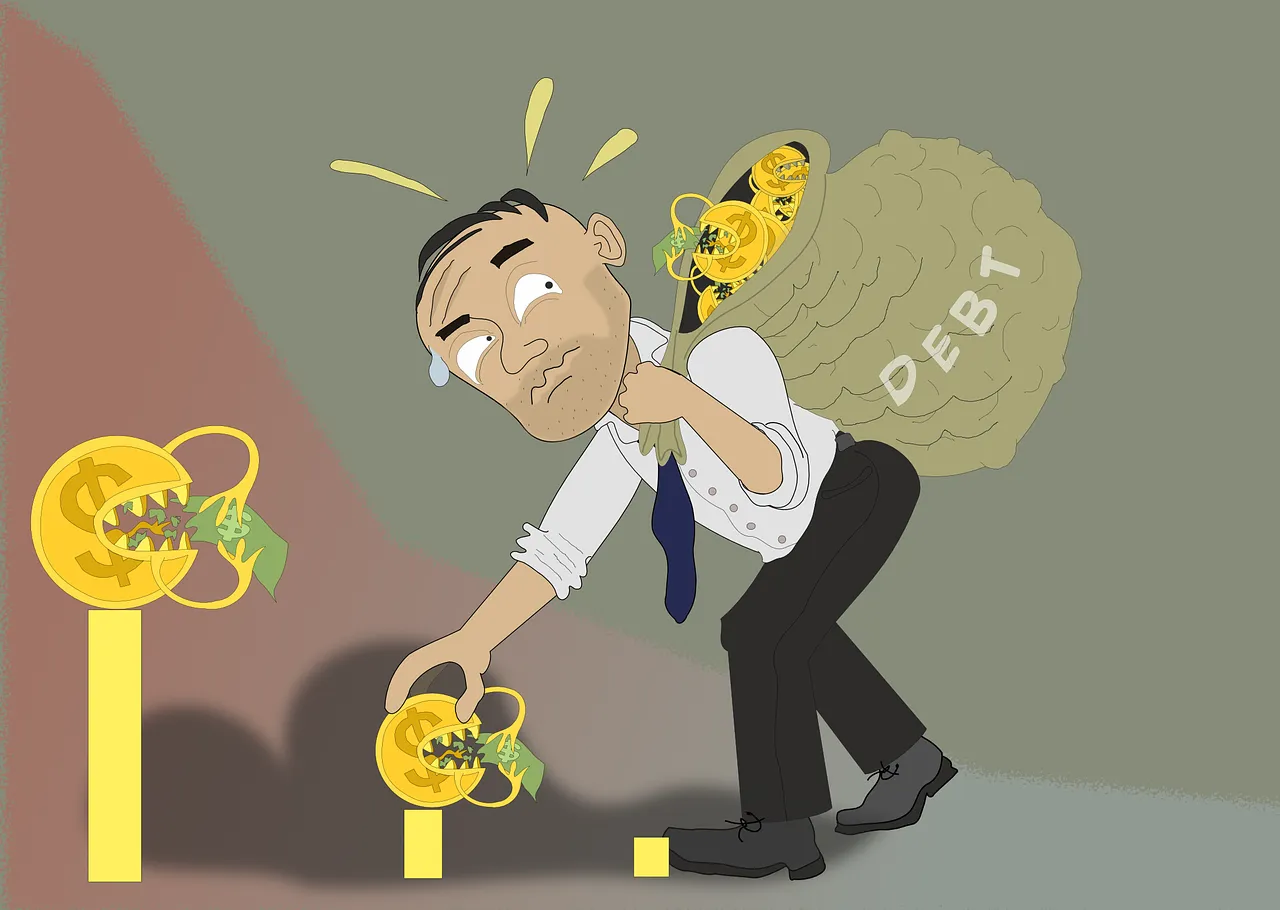
Living paycheck to paycheck is not something most people plan for. It happens quietly. One month turns into another, and before you realize it, every salary already has a destination before it even arrives. Rent, food, transport, bills, family responsibilities, emergencies. What remains is usually nothing.
Yet, this reality is rarely spoken about honestly. Society prepares us to chase income, not to survive the gaps between it. We are taught to dream big, but not how to live when the dream feels far away and the bills are close. This article explores what it really means to live paycheck to paycheck, why so many people experience it, and why it is not a personal failure but a structural and emotional reality many face.
What Does Living Paycheck to Paycheck Really Mean?
Living paycheck to paycheck means your income barely covers your expenses, leaving little or nothing for savings. When the money finishes, life pauses until the next salary comes. There is no buffer, no cushion, no room for mistakes.
For many people, this looks like:
- Checking your account balance daily
- Timing expenses around salary dates
- Avoiding emergencies because you cannot afford them
- Feeling anxious when unexpected costs appear
It is not always about earning very little. Many people with steady jobs and regular income still live this way. The issue is not just income. It is the combination of living costs, responsibilities, and limited financial breathing space.
Why So Many People Live Paycheck to Paycheck
Life Is More Expensive Than We Admit

The cost of living keeps rising, but income does not always follow. Transport increases. Food prices fluctuate. Rent rarely goes down. Utilities demand payment whether your salary increased or not.
Even careful planning cannot protect you from reality. A budget can look perfect on paper, but life is unpredictable. One hospital visit, one funeral contribution, one broken phone, someone needs urgent help, and the balance collapses.
In many parts of the world, including Ghana and across Africa, these expenses are not optional. They are tied to survival, dignity, and community.
Family and Social Responsibilities Matter
In many cultures, income is not individual. It is shared. Supporting siblings, parents, extended family, or contributing to community events is expected.
These responsibilities are not weaknesses. They are expressions of care and belonging and hence, are very necessary. But they do make saving difficult. When money is needed now by someone you love, planning for the future feels distant and sometimes selfish.
Living paycheck to paycheck is often the result of choosing people over plans.
Irregular and Low Starting Salaries
Many young professionals enter the workforce with hope, only to meet reality. Entry-level salaries are often low. Contracts are unstable. Payments may be delayed. Freelancers and creatives face inconsistent income.
Budgeting with unstable income is exhausting. Some months feel manageable. Others feel impossible. Saving under these conditions becomes a luxury, not a habit.
This struggle is not laziness. It is economic pressure.
The Emotional Weight of Living Paycheck to Paycheck
Financial stress is not just about money. It affects how people think, feel, and move through the world.
Many people living paycheck to paycheck experience:
- Anxiety and constant worry
- Shame about not “doing better”
- Fear of emergencies
- Guilt about spending on themselves
Money becomes emotional. Opening a banking app can trigger fear. Conversations about finances can feel heavy. Social gatherings become stressful when spending is expected.
Over time, this emotional weight can lead to burnout. When survival takes all your energy, long-term planning feels impossible.
Why No One Prepares You for This Reality

We are taught success stories, not survival stories. School teaches ambition, not endurance. Social media shows achievement, not struggle.
No one prepares you for:
- How long it takes to feel financially stable
- How much responsibility adulthood carries
- How emotionally draining financial pressure can be
So when people find themselves living paycheck to paycheck, they assume they have failed. In truth, they were never given realistic expectations.
The Myth of Financial Discipline
Many people blame themselves. They believe they lack discipline. But discipline alone cannot create money that does not exist. You cannot budget your way out of a reality where income barely covers survival. No amount of self-control can stretch an already thin salary beyond its limits.
This is where the conversation often becomes unfair. We praise discipline as if it is the missing ingredient, ignoring the fact that discipline works best when there is room to apply it. Saving requires excess. Planning requires stability. When every cedi has an assignment before it arrives, discipline becomes more about survival than growth.
People who live paycheck to paycheck are often disciplined in ways that go unnoticed. They prioritize rent over comfort. They choose necessities over wants. They delay personal needs so others can be supported. That is discipline, even if it does not show up as savings in a bank account.
The problem is not that people are careless with money. The problem is that systems often demand more than people earn. Transport, food, rent, and family responsibilities do not wait for income to increase. They arrive monthly, consistently, and without apology.
When we reduce financial struggle to a lack of discipline, we place blame where it does not belong. We overlook low wages, unstable work, and social obligations. We ignore how emergencies can erase weeks of careful planning in one day.
Understanding this does not mean giving up on better habits. It means being honest about what habits can and cannot do. Discipline can help you manage what you have. It cannot manufacture what is missing.
Once this truth is accepted, shame begins to fade. And when shame fades, clearer decisions become possible. That is where real change begins.
You can be disciplined and still struggle if:
- Your income is low
- Your responsibilities are high
- Your environment is expensive
This does not mean habits do not matter. They do. But habits work best when there is room to breathe, stop beating yourself bro!
Recognizing this difference matters. It removes shame and replaces it with honesty.
Small Ways People Actually Cope

People living paycheck to paycheck develop survival strategies, even if they do not call them that.
Some of these include:
- Delaying purchases until absolutely necessary
- Stretching meals and resources
- Borrowing and repaying carefully
- Finding small side incomes
- Learning to live with less than expected
These are not failures. They are adaptations.
Acknowledging this helps people stop seeing themselves as irresponsible and start seeing themselves as resilient.
Can You Break the Cycle?
Breaking the paycheck-to-paycheck cycle rarely happens suddenly. It happens slowly, through awareness and small shifts.
Some realistic steps include:
- Tracking expenses honestly, without judgment
- Identifying small money leaks
- Saving tiny amounts when possible, even irregularly
- Prioritizing emergency awareness, not perfection
Saving five or ten cedis occasionally is not meaningless. It builds the habit of thinking ahead, even when resources are limited.
The goal is not instant wealth. The goal is gradual control.
Comparison Makes It Worse
One of the hardest parts of living paycheck to paycheck is comparison. Seeing others travel, buy new things, or appear comfortable creates pressure.
But appearance is not reality. Many people showing abundance are also struggling quietly. Comparing yourself to curated images only deepens dissatisfaction and makes survival feel like failure. Everyone’s timeline is different. Financial stability does not arrive at the same age for everyone.
Why Living Paycheck to Paycheck Is Not a Personal Failure
This needs to be said clearly. Living paycheck to paycheck does not mean you are lazy, careless, or unsuccessful.
It means:
- You are navigating a demanding reality
- You are meeting responsibilities with limited resources
- You are surviving in an economic system that does not make it easy
Understanding this truth reduces shame and opens the door to healthier decisions.
Living paycheck to paycheck is the reality no one prepares you for, yet millions experience it daily. It is shaped by rising costs, social responsibilities, emotional pressure, and limited income. It is not a personal flaw, but a reflection of complex circumstances.
Acknowledging this reality does not mean giving up. It means starting from truth, not shame. With patience, realistic habits, and self-compassion, it is possible to slowly create space between income and exhaustion.
If you are living paycheck to paycheck, you are not alone. You are surviving, and survival itself takes strength.


